



What Professionals Look For in a Good Creatine Supplement
Creatine is one of the most researched supplements in sports nutrition. Once mainly used by strength athletes and bodybuilders, it is now recommended by sports nutritionists, functional medicine practitioners and longevity specialists alike. Beyond muscle strength, research also points to a role in recovery, cellular energy and brain function.
With so many formulations, bold claims and alternative chemical forms on the market, finding a product that actually delivers can be difficult. Industry experts look past the marketing and check specific criteria instead: compound purity, supporting nutrients, unwanted additives, and how easily it fits into daily life.
Understanding these benchmarks can help you navigate the options and choose a creatine supplement that matches how the body actually uses it.
Creatine Monohydrate vs Alternative Forms
When it comes to creatine, the chemical form matters most. Newer options such as creatine ethyl ester, buffered creatine or liquid formulas are often marketed as an upgrade, but the research tells a different story.
Nutritionists and exercise physiologists overwhelmingly favour creatine monohydrate, for three main reasons:
- Easily absorbed: pure creatine monohydrate has an absorption rate close to 100%, so almost all of it reaches muscle tissue.
- Backed by decades of research: over 99% of the safety and effectiveness studies on creatine have used the monohydrate form.
- More stable: alternative forms often break down into creatinine, an inactive waste product, before reaching muscle or brain tissue.
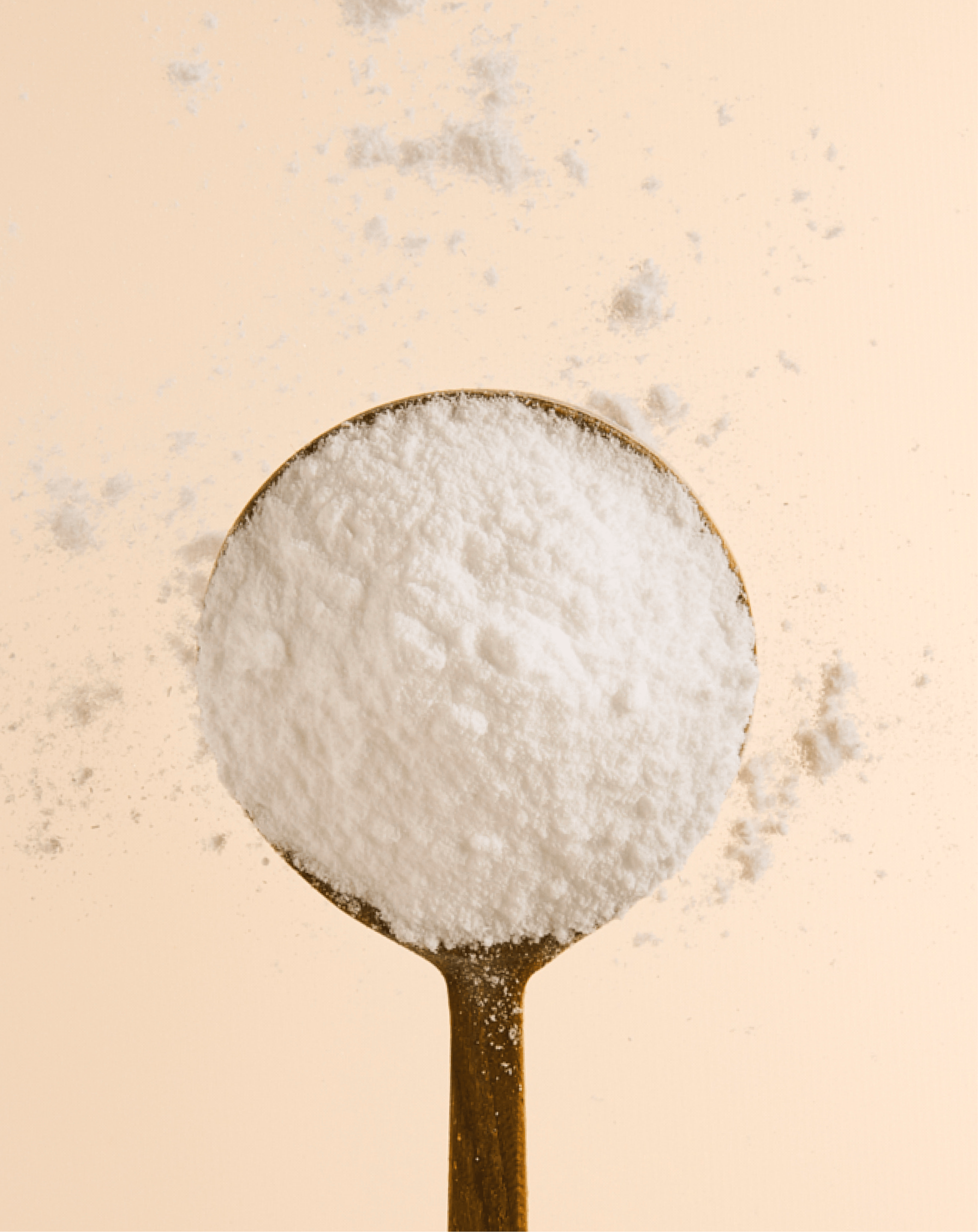
The standard maintenance dose is 3 grams of pure creatine monohydrate a day. Over time, this amount helps fill the muscles' phosphocreatine stores, a fast-access fuel supply, supporting the body's regeneration of ATP, its main energy source, typically without straining digestion.1,2
Amino Acids That Support Creatine
Creatine provides the core fuel for cellular energy, but practitioners also look for formulas that include supporting amino acids to help deliver nutrients and keep cells hydrated. Pairing creatine with the right compounds broadens its effect on the body:
Taurine
Taurine is an amino acid that helps regulate the balance of fluid and electrolytes inside cells. By drawing water into muscle cells alongside creatine, it helps cells hold more fluid, helps keep cell membranes stable, and supports muscular endurance.3
Citrulline malate
L-citrulline is a building block the body converts into L-arginine, which is used to make nitric oxide. Higher nitric oxide levels help blood vessels widen, which may improve blood flow and help carry oxygen and nutrients, including creatine, to working muscles during exercise.4

Magnesium: The Overlooked Cofactor
Energy production is not a one-ingredient job. Creatine depends on a chain of chemical reactions that turn used-up energy (ADP) back into usable energy (ATP), and magnesium is a crucial, often overlooked part of that process.
Magnesium is essential for ATP to work properly, and most of the usable energy inside cells is bound to magnesium. Pairing magnesium with malic acid (malate) also supplies a component of the Krebs cycle, the body's central process for turning food into usable energy.
Magnesium also plays a role in muscle function itself. It works alongside calcium in the process of muscle contraction and relaxation, and low levels have been associated with cramping and muscle tightness.
Magnesium is also one of the electrolytes lost through sweat, alongside sodium and potassium, so athletes, sports professionals and anyone training frequently tend to lose more and require more.
For this population in particular, adding magnesium alongside creatine may help support both the energy pathway and the muscle and electrolyte balance that intensive training places extra demand on.5

Formulation Purity and Versatility
For everyday use and long-term health, what is left out of a supplement can matter as much as what is in it.
Clean-label standards
Many shop-bought creatine powders contain artificial sweeteners such as sucralose or acesulfame K, synthetic flavourings, anti-caking agents and unnecessary bulking agents. Health professionals favour clean, unflavoured formulas without unnecessary additives, so daily use avoids introducing anything the body doesn't need.
|
Formula Feature |
Common in Standard Powders |
Professional Standard |
|---|---|---|
|
Sweeteners |
Artificial sweeteners such as sucralose or acesulfame K |
None, naturally unflavoured |
|
Flavouring |
Synthetic flavourings |
Neutral taste |
|
Fillers |
Anti-caking agents, bulking agents |
Zero unnecessary fillers |
|
Stimulants |
Added caffeine or synthetic stimulants |
Stimulant-free, any time of day |
Stimulant-free timing
Creatine works by building up in tissue over time, not through an immediate hit to the nervous system. Formulas without added caffeine or synthetic stimulants can be taken at any time of day, even in the evening, without the stimulant-related sleep disruption caffeine can cause.
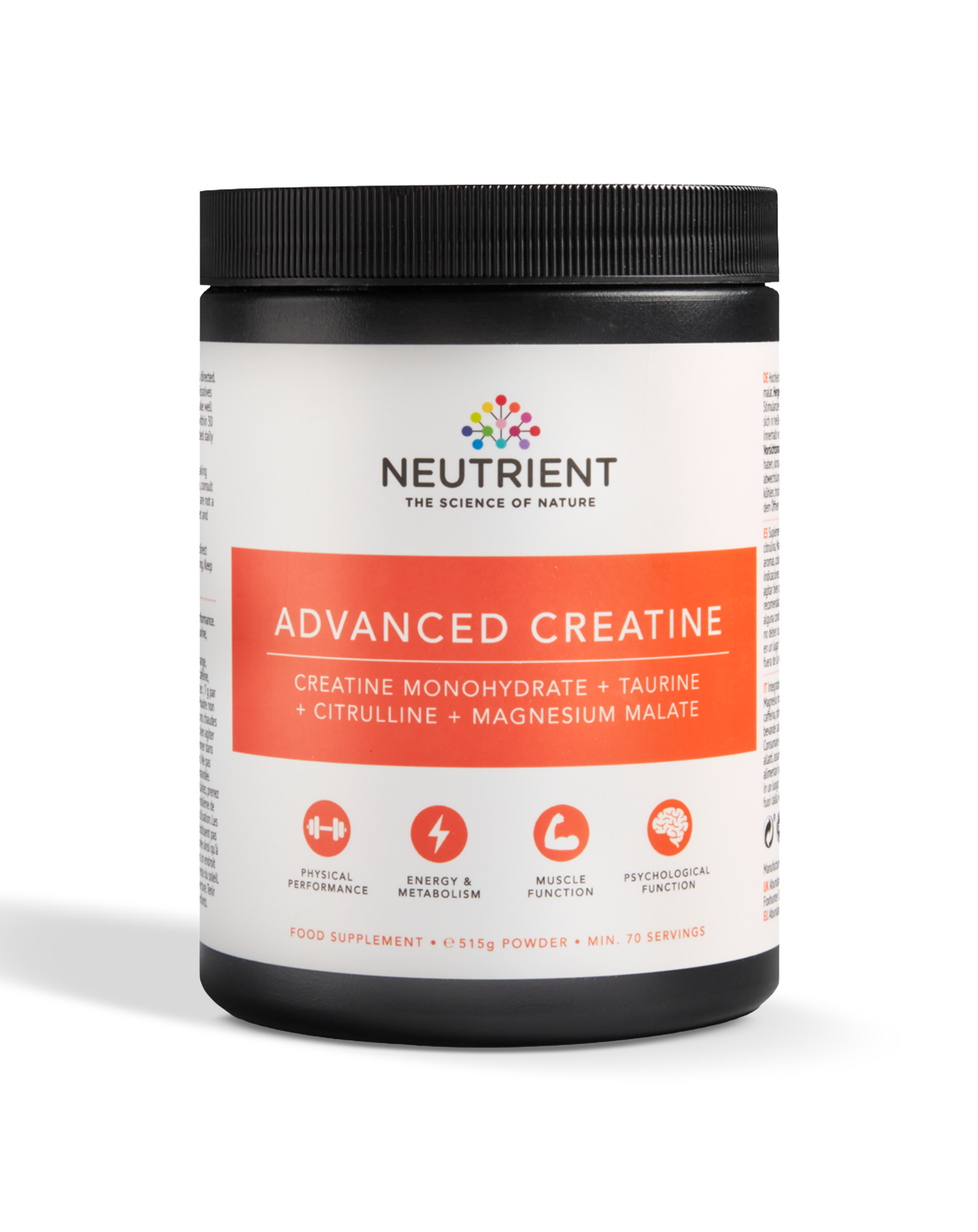
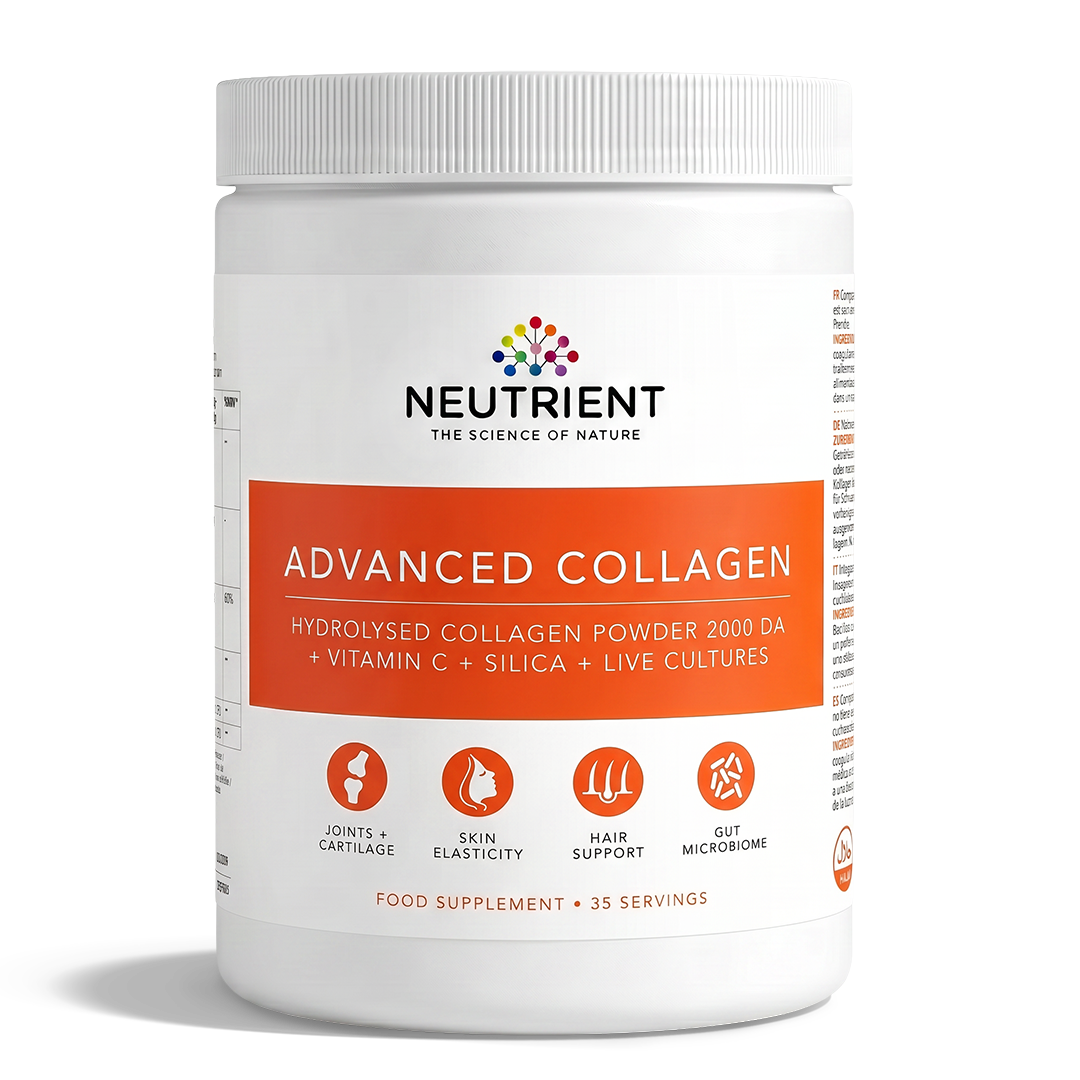
This clean, versatile approach is central to advanced formulas such as Neutrient Advanced Creatine, which pairs 3g of pure creatine monohydrate with taurine, citrulline malate and magnesium malate in a completely unflavoured, additive-free, vegan-friendly blend.

Frequently Asked Questions
Does creatine cause water retention or puffiness?
Creatine draws water into your muscle cells, not into the layer just under your skin. This kind of hydration helps muscle cells work well and is not associated with the puffy, soft look sometimes linked to bloating.
Is a loading phase necessary when starting creatine supplementation?
A high-dose loading phase (typically 20g a day for 5 to 7 days) fills up muscle stores slightly faster, but it isn't essential. Taking a steady 3g to 5g each day typically reaches full muscle saturation within 3 to 4 weeks, without the stomach discomfort that heavy loading can sometimes cause.
Can non-athletes benefit from taking a creatine supplement?
Yes. Creatine's benefits reach beyond sports performance. Muscle and brain tissue both rely on phosphocreatine, a fast-access energy store, to regenerate energy quickly. Research shows that daily creatine supplementation supports cognitive function, resistance to mental fatigue, working memory and healthy bone density, particularly in older adults and people following plant-based diets.6
Should creatine be taken before or after a workout?
Timing matters less than daily consistency. Some studies suggest a small advantage to taking creatine after a workout alongside carbohydrate or protein, to help cells absorb it, but keeping up a steady daily intake is what matters most. A stimulant-free formula can be taken whenever suits your routine best.
Written by: Jacqueline Newson BSc (Hons) Nutritional Therapy
References
- Buford TW, et al. International Society of Sports Nutrition position stand: creatine supplementation and exercise. Journal of the International Society of Sports Nutrition. 2007;4(1):6.
- Kreider RB, et al. International Society of Sports Nutrition position stand: safety and efficacy of creatine supplementation in exercise, sport, and medicine. Journal of the International Society of Sports Nutrition. 2017;14(1):18.
- Schaffer S, Kim HW. Effects and mechanisms of taurine as a therapeutic agent. Biomolecules & Therapeutics. 2018;26(3):225.
- Pérez-Guisado J, Jakeman PM. Citrulline malate enhances athletic anaerobic performance and relieves muscle soreness. Journal of Strength and Conditioning Research. 2010;24(5):1215-1222.
- Pilch W, et al. The effects of magnesium supplementation on muscle function and physical performance in athletes. Nutrients. 2021;13(3):873.
- Avgerinos KI, et al. Effects of creatine supplementation on cognitive function of healthy individuals: a systematic review of randomised controlled trials. Experimental Gerontology. 2018;108:166-173.
Read more

Every so often, the wellness world announces it has found The One: a single ingredient promising to fix your sleep, your skin, your mood and possibly your marriage, all from one scoop before breakf...

One glass of wine with dinner feels reasonable. Four pints on a Friday night feels like a treat. Most of us assume one of these is clearly better for us than the other, but the answer isn’t as simp...